How to Identify and Fix Inefficient Business Processes: 5 Warning Signs to Watch For
How to Identify and Fix Inefficient Business Processes: 5 Warning Signs to Watch For
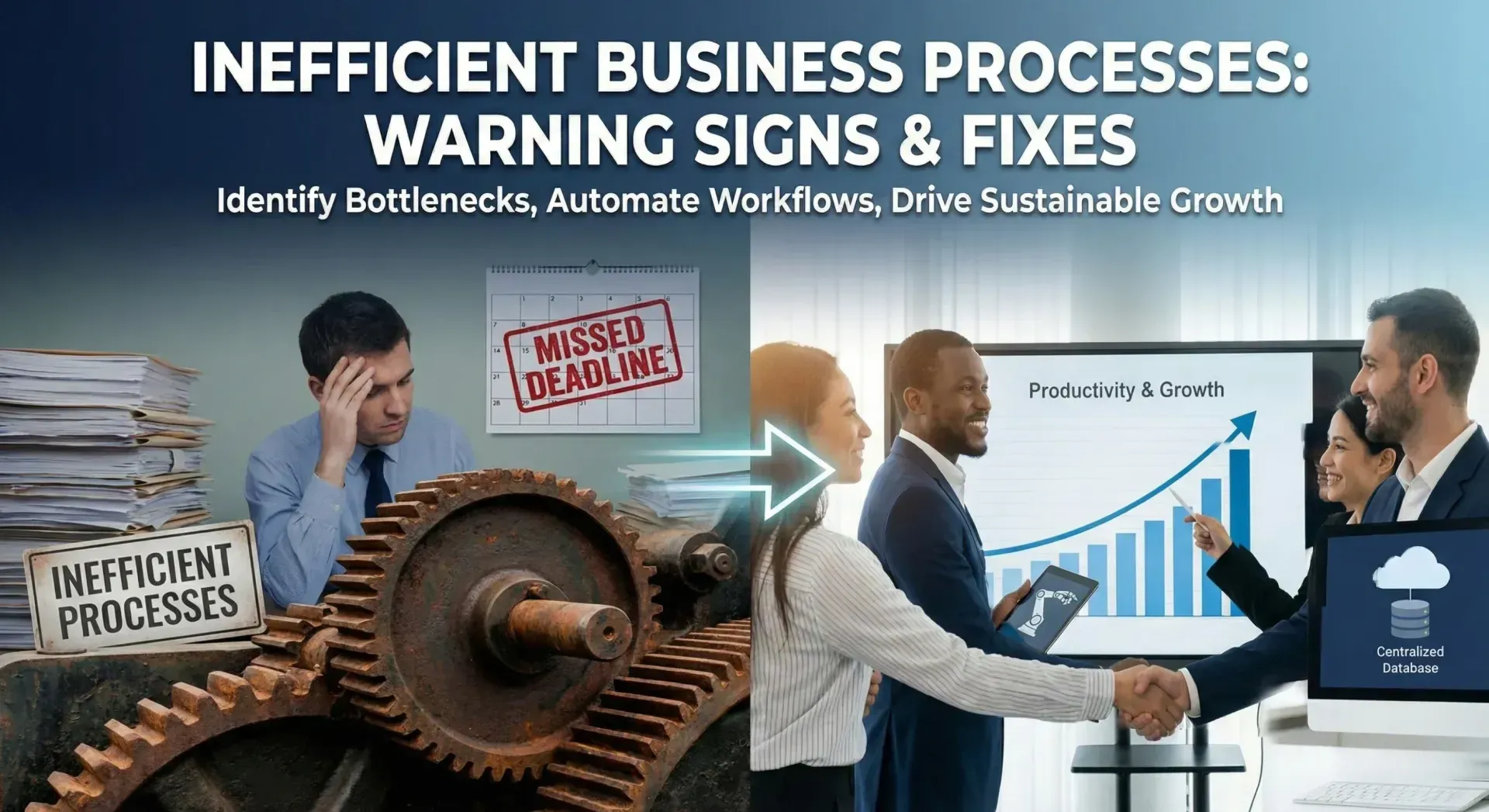
Is your company’s progress suddenly slowing down? The reason may lie in inefficient business processes that reduce overall productivity and hinder decision-making.
Identifying these inefficiencies and loopholes is essential to fixing them in a timely manner and ensuring the long-term success of your business.
Every business has the potential to thrive and maintain operational excellence with the right systems, process automation, and data-driven insights in place.
Therefore, in this article, we explore how you can identify inefficient business processes and recommend practical fixes to ensure your company continues to operate sustainably and efficiently.
5 Warning Signs of Inefficient Business Processes
Inefficient business processes often go unnoticed until the damage is done and the business faces continuous operational slowdowns and low productivity. These processes are hidden behind some crucial warning signs that you need to watch out for:
1. Constant Delays and Missed Deadlines
Constant delays and missed deadlines are one of the biggest warning signs of inefficiency. They can be due to outdated technology, a heavy workload, and poor planning strategies. This can cause customer dissatisfaction and damage your company’s credibility.

The Fix:
First, you need to thoroughly review the workflow to find the cause of the delay. Look at the company’s data regarding turnaround time, performance metrics, and customer feedback to identify bottlenecks. Then, communicate with your employees and develop proper
strategies to complete the tasks within the deadline
2. Prevailing Manual Repetitive Tasks
When employees spend most of their time on repetitive manual tasks, it can cause burnout and ultimately frequent errors. It can be due to outdated workflow strategies or a lack of process automation. Similarly, excessive use of technology, even for minor processes, also leads to increased manual workload for those who operate the systems.

The Fix:
Shift company operations towards digitisation and business process automation, while focusing on important yet manual repetitive tasks. Identify manual, time-consuming activities in each department and make a list of tasks that can be automated. Suitable business process management software can be explored to streamline and automate processes, such as
Excel or
AI-powered business solutions.
3. Poor Data and Distribution
If you or your employees struggle to locate information when needed, even when your company has been operational for years, it means there is a fundamental flaw in your workflow. The data is either poorly documented, dirty or kept in fragments, which can cause problems in decision making. Sometimes, when each team has its separate information silo, other departments may not have access to or awareness of that data. This can lead to duplicated efforts and a lack of productivity.

The Fix:
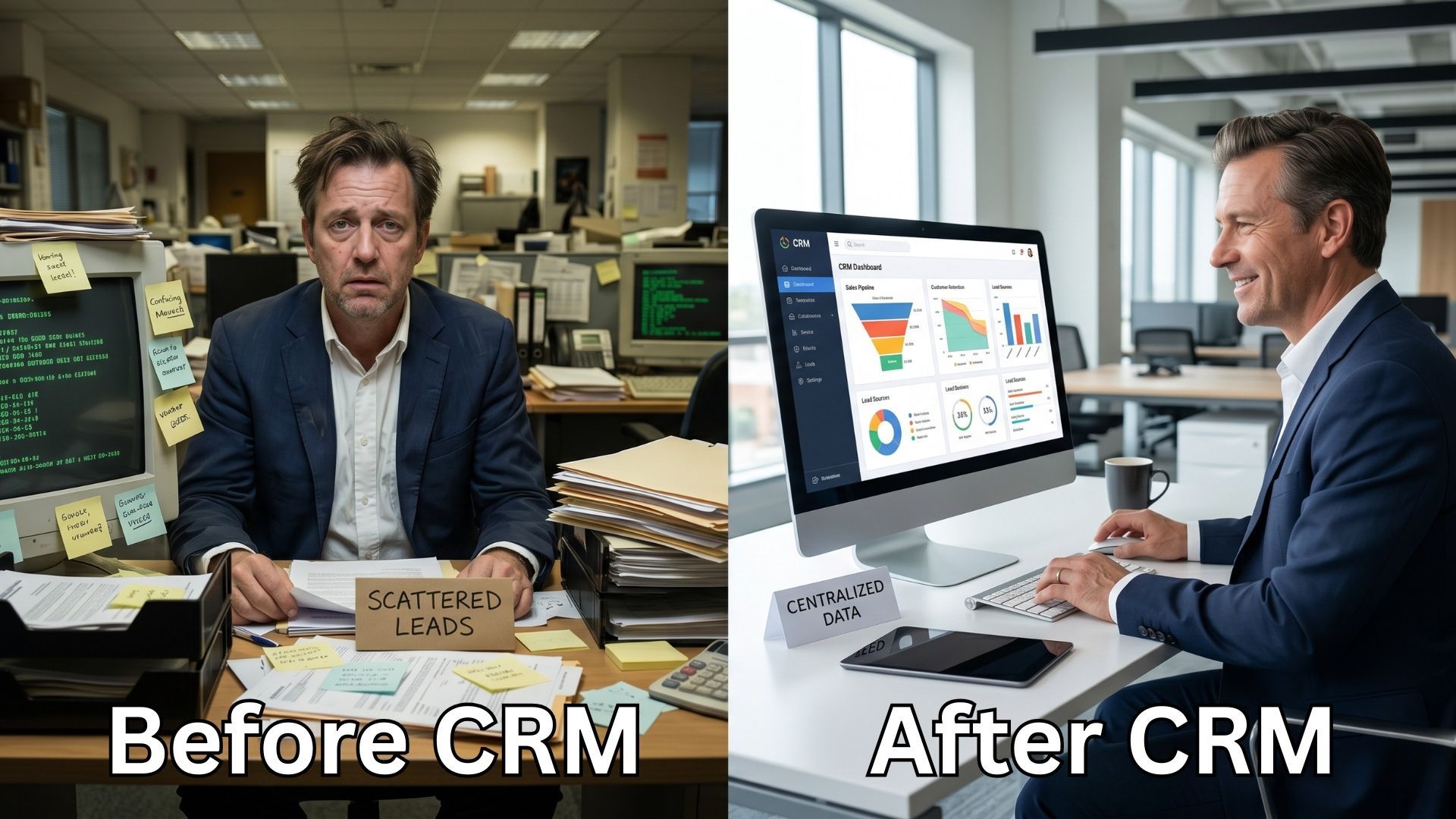
For proper data collection and distribution, it is important for companies to have a centralised storage system that is easily accessible to employees. This helps keep the data organised, secure, and easy to track. Additionally, storing data in a shared cloud storage will enable employees to access data remotely at any time, ensuring timely decision-making. It is also a good practice to clean and organise data regularly to remove duplicates, outdated entries, noise, and inaccurate information. Continuous
data clean-up services and a robust
CRM system
can simplify data tracking, access, and sharing to improve business efficiency.
4. Lack of Process Standardisation and Inconsistent Outcomes
In companies with inefficient business processes, employees often create their own methods to complete the same tasks, sometimes even shortcuts to save time. As everyone tries to complete their tasks in different ways, this ultimately leads to inconsistent outcomes. The lack of process standardisation results in quality, communication, and accountability issues. Over time, this can severely damage customer satisfaction and reduce employee productivity.

The Fix:
To fix the lack of standardisation, companies need to draft clear Standard Operating Procedures (SOPs) for their employees. Regular training sessions should be conducted to ensure employees are trained on standardised procedures to ensure consistency and efficiency. This will result in predictable results, thus improving overall business performance and productivity.
5. Low Customer Satisfaction
Recently noticing negative feedback or lower customer satisfaction rates? Your long-term clients stopped contacting you? These factors point towards the inefficiency of your business. It affects brand reputation, customer loyalty, and ultimately revenue growth.

The Fix:
You can fix it by identifying exactly what your customers want and then providing them with solutions on time. Train staff in customer-centric communication and use feedback loops to identify pain points. Customer Relationship Management (CRM) solutions that personalise engagement, strengthen relationships, and improve response times to enhance the customer satisfaction rate.
Conclusion
If your company’s performance is not as good as it used to be, it is crucial for you to conduct a thorough business process analysis and figure out what’s causing it.
An effective Business Process Management (BPM) plan can improve business operations and lead to long-term success.
Begin by gathering feedback from employees to uncover areas for improvement, identifying manual repetitive tasks for automation, and investing in the right tools for streamlining workflows.

Following this can help your business enhance productivity, optimise business operations and drive sustainable growth in the ever-evolving market landscape that demands high customer satisfaction and production quality.
Frequently Asked Questions (FAQs)
1. How often should businesses review their processes for inefficiencies?
It is important for any business to review its workflow at least yearly. For rapidly evolving departments like technology, sales, or finance, quarterly or monthly review schedules should be made. Above all, ensure continuous monitoring for minor adjustments.
2. How can process automation reduce costs for businesses?
Automating the manual tasks reduces the need to hire a big team to complete tasks and manage workflows. It speeds up work and minimises overtime, lowering extra pay expenses. Automation increases accuracy, reducing costly errors and rework.
3. What is the difference between business process optimisation and automation?
Business process optimisation focuses on improving workflows to boost efficiency and effectiveness. It uses structured methods to analyse current processes and identify areas for improvement. Automation is one way to do this by shifting repetitive manual tasks to computers. It saves time and reduces errors.
Recent Posts